TL;DR
THCA itself isn’t psychoactive—but when you heat it, it converts into THC through a process called decarboxylation. That’s why THCA flower and concentrates feel just like traditional cannabis once smoked or vaped.
What Is THCA, Exactly?
THCA (tetrahydrocannabinolic acid) is the raw, naturally occurring form of THC found in fresh cannabis and hemp flower.
In its unheated state:
- THCA does not cause a high
- It exists before THC is activated
- It’s the dominant cannabinoid in raw flower
THCA becomes THC only after heat is applied.
Why Heat Changes Everything
Heat triggers a chemical process called decarboxylation.
That’s a long word for a simple reaction:
THCA + heat → THC
When heat is applied:
- A small molecular group (the “acid” part) is removed
- THCA transforms into Delta-9 THC
- Psychoactive effects are unlocked
This transformation happens almost instantly when smoking or vaping.
What Happens When You Smoke or Vape THCA Flower
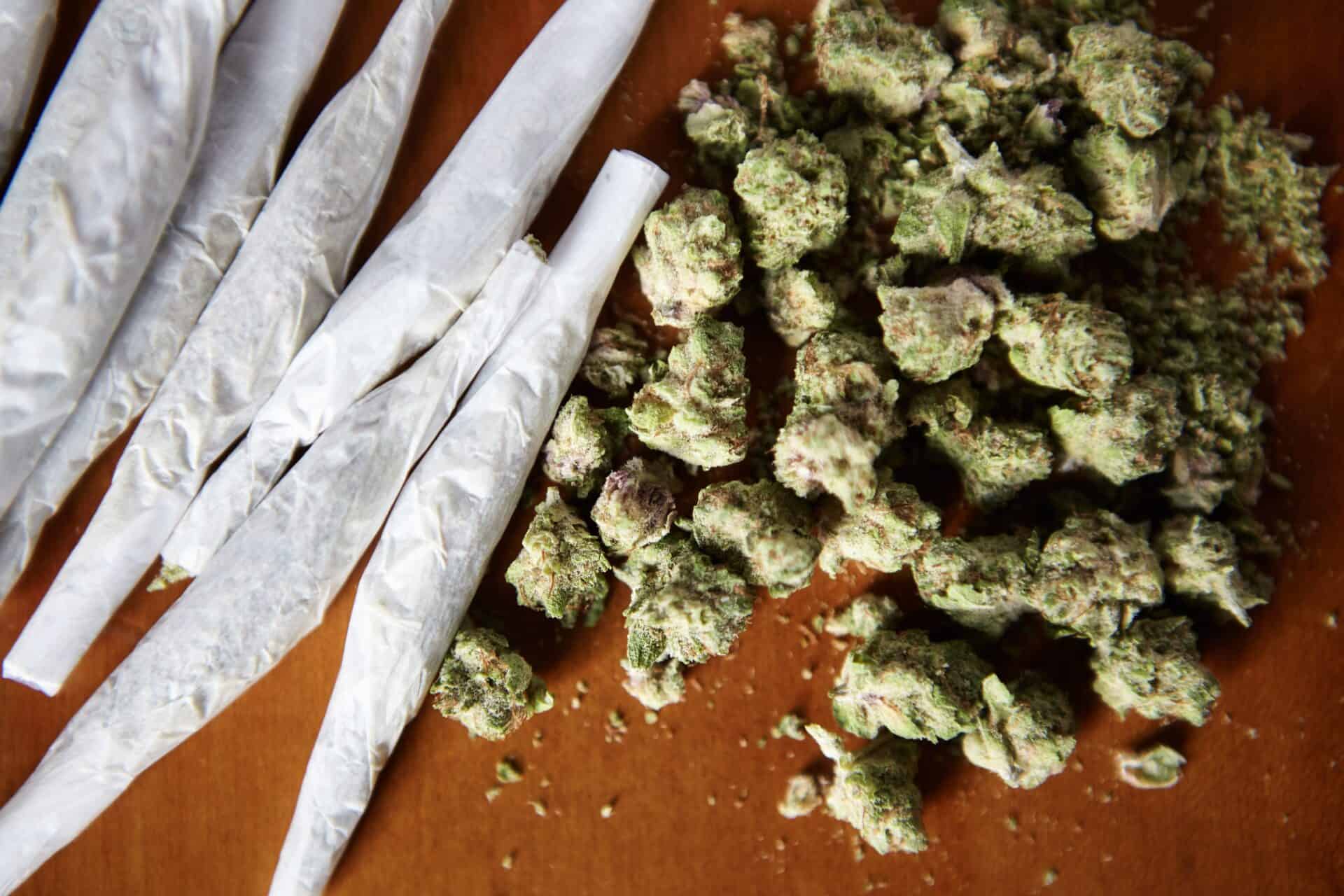
When you smoke or vape THCA flower:
- The flame or heating element provides immediate heat
- THCA rapidly converts into THC
- Effects feel familiar to traditional cannabis users
This is why many people are surprised the first time they try THCA flower—it behaves exactly how they expect once heated.
What Happens If You Cook With THCA?
Heat doesn’t only come from smoking.
When THCA is exposed to:
- Baking
- Cooking
- Prolonged heat
…it also decarboxylates into THC.
This is why raw cannabis doesn’t cause intoxication—but baked or cooked cannabis does.
⚠️ Raw THCA products (like unheated flower or concentrates) won’t feel psychoactive unless heat is applied.
Why THCA Flower Feels Like “Regular Weed”
Once heated, THCA flower:
- Delivers THC-based effects
- Retains full terpene profiles
- Produces strain-specific experiences
The only difference is when the THC is created—not how it feels afterward.
That’s why THCA flower often surprises people who expect something mild or different.
How This Relates to Legality
THCA flower is legal under federal hemp law before heating, as long as:
- Delta-9 THC stays below 0.3% by dry weight
THCA itself is not Delta-9 THC.
Once heated, conversion happens at the point of use—not at the point of sale. That legal distinction is what allows THCA flower and concentrates to exist in the hemp market.
State laws may vary, so it’s always smart to stay informed locally.
Does Heating THCA Make It Stronger?
Heat doesn’t increase potency—it activates it.
How strong the effects feel depends on:
- The THCA percentage
- Terpene profile
- Amount used
- Your tolerance and body chemistry
A terpene-rich THCA strain with moderate potency can feel stronger than a higher-THCA product with weaker terpene expression.
Common THCA Heating Questions
Can you feel THCA without heat?
No. THCA must be heated to convert into THC.
Does vaping THCA work?
Yes. Vaping provides enough heat for conversion.
Does lighting it on fire destroy THC?
Some cannabinoids are lost at very high temperatures, which is why vaping can feel smoother and more efficient.
Is decarboxylation instant?
When smoking or vaping—yes. When cooking, it takes longer.
Why Understanding This Matters
Knowing what happens when you heat THCA helps you:
- Choose products confidently
- Understand why effects feel familiar
- Avoid confusion around legality
- Shop smarter and with intention
It removes mystery—and builds trust.
*These statements have not been evaluated by the FDA. This product is not intended to diagnose, treat, cure, or prevent any disease.
Final Thoughts
THCA isn’t magic—it’s chemistry.
Once you understand that heat turns THCA into THC, everything about THCA flower and concentrates makes sense. The experience isn’t different because it’s hemp—it’s familiar because the same compounds are activated at the moment of use.
Simple science. Real effects. No confusion.
Related Readings:
How Terpenes Shape Your High (And Why THC % Isn’t Everything)
How to Choose the Right THCA Strain for Your Mood
What Is THCA Flower? Why It’s Everywhere Right Now
Disclaimer
This content is for informational purposes only and is not intended as medical advice. These statements have not been evaluated by the Food and Drug Administration. Hemp-derived products are not intended to diagnose, treat, cure, or prevent any disease.