FAQ
Frequently Asked Questions About Hemp, THCa, CBG & CBD
Got questions? We’ve got answers. Whether you’re new to hemp or a seasoned smoker looking to understand the deeper science behind cannabinoids like THCa, CBG, and CBD—this is your one-stop resource. From storage tips to usage effects, we’re breaking it all down in plain English to keep you informed and elevated.
Is hemp legal in all 50 states?
Hemp products that contain no more than 0.3% delta-9 THC by dry weight are federally legal under the 2018 Farm Bill. However, individual states may have their own regulations, so availability can vary depending on local laws.
Can I travel with hemp products?
Traveling with hemp products is generally allowed within the United States if they meet federal compliance standards. It’s recommended to keep products in their original packaging and review state or airline-specific policies before traveling.
How long do hemp products last?
Most hemp products have a shelf life of 6–12 months when stored properly. Exposure to heat, light, and air can reduce freshness over time.
Do gummies or edibles go bad?
Yes, hemp-derived gummies and edibles can expire. Over time, texture and flavor may change. Always check the packaging for expiration dates and store them in a cool, dry place.
How should I store hemp products?
Store hemp products in a cool, dark place away from direct sunlight and moisture. Airtight containers can help maintain freshness.
Are your products lab tested?
Yes, all products are third-party tested to ensure they meet federal compliance standards and quality guidelines.


What is THCa?
THCa (tetrahydrocannabinolic acid) is a naturally occurring compound found in raw hemp plants.
Is THCa legal?
THCa products are federally legal when derived from hemp and compliant with the 2018 Farm Bill, though state laws may differ.
How is THCa different from other cannabinoids?
THCa exists in raw plant material and is chemically distinct from other cannabinoids.
What products contain THCa?
THCa is commonly found in hemp flower and concentrates.
Is THCa lab tested?
Yes, compliant THCa products are tested to verify cannabinoid content and ensure they meet legal standards.
How should THCa be stored?
Store in an airtight container in a cool, dark place to preserve freshness.
What is CBD?
CBD (cannabidiol) is a naturally occurring compound found in hemp plants that is commonly used in a variety of hemp-derived products.
Is CBD federally legal?
CBD derived from hemp containing less than 0.3% delta-9 THC is federally legal under the 2018 Farm Bill.
Does CBD contain THC?
CBD products may contain trace amounts of THC depending on the formulation, but compliant products remain below the legal limit.
How is CBD made?
CBD is typically extracted from hemp plants using processes such as CO₂ extraction, then formulated into oils, gummies, or other products.
How should CBD be stored?
CBD products should be stored in a cool, dry place away from sunlight to maintain quality.
How long does CBD last?
CBD products typically last 6–12 months depending on storage conditions and product type.


What is THCV?
THCV (tetrahydrocannabivarin) is a naturally occurring cannabinoid found in hemp plants in smaller concentrations.
Is THCV legal?
THCV derived from hemp is federally legal when the final product contains less than 0.3% delta-9 THC, though state laws may vary.
Where does THCV come from?
THCV is extracted from specific hemp strains that naturally produce this cannabinoid.
Is THCV the same as THC?
No, THCV is a different cannabinoid with a distinct chemical structure.
How is THCV used in products?
THCV is commonly included in vapes, tinctures, and other hemp-derived formulations.
How should THCV products be stored?
Store in a cool, dark place to maintain product stability.
What is CBG?
CBG (cannabigerol) is a naturally occurring cannabinoid often referred to as a “parent cannabinoid” because other cannabinoids originate from it.
Is CBG legal?
CBG derived from hemp is federally legal when products contain less than 0.3% delta-9 THC.
How is CBG produced?
CBG is extracted from young hemp plants or specially cultivated strains with higher CBG content.
Does CBG contain THC?
CBG products may contain trace amounts of THC but remain within legal limits when compliant.
What types of products contain CBG?
CBG is available in oils, flower, and other hemp-derived products.
How long does CBG last?
CBG products typically maintain quality for several months when stored properly.

What does Indica mean?
Indica refers to a classification of hemp or cannabis plants traditionally associated with broader leaves and compact growth.
Are Indica strains different in appearance?
Yes, Indica plants are typically shorter with wider leaves compared to other types.
What products come in Indica varieties?
Indica classifications are often used for hemp flower, vapes, and concentrates.
Is Indica a chemical compound?
No, Indica is a plant classification, not a cannabinoid.
Are Indica labels standardized?
Not always—labeling can vary depending on the grower and product formulation.
How should Indica products be stored?
Store in a cool, dark place in an airtight container.
What does Sativa mean?
Sativa refers to a classification of hemp or cannabis plants known for taller growth and narrower leaves.
How does Sativa differ from Indica in structure?
Sativa plants tend to grow taller and have thinner leaves.
What products come in Sativa varieties?
Sativa classifications are commonly used for flower, vapes, and concentrates.
Is Sativa a cannabinoid?
No, Sativa is a plant classification.
Are Sativa labels consistent across brands?
Labeling may vary depending on cultivation and product formulation.
How should Sativa products be stored?
Store in a sealed container away from heat and light.

What is a Hybrid?
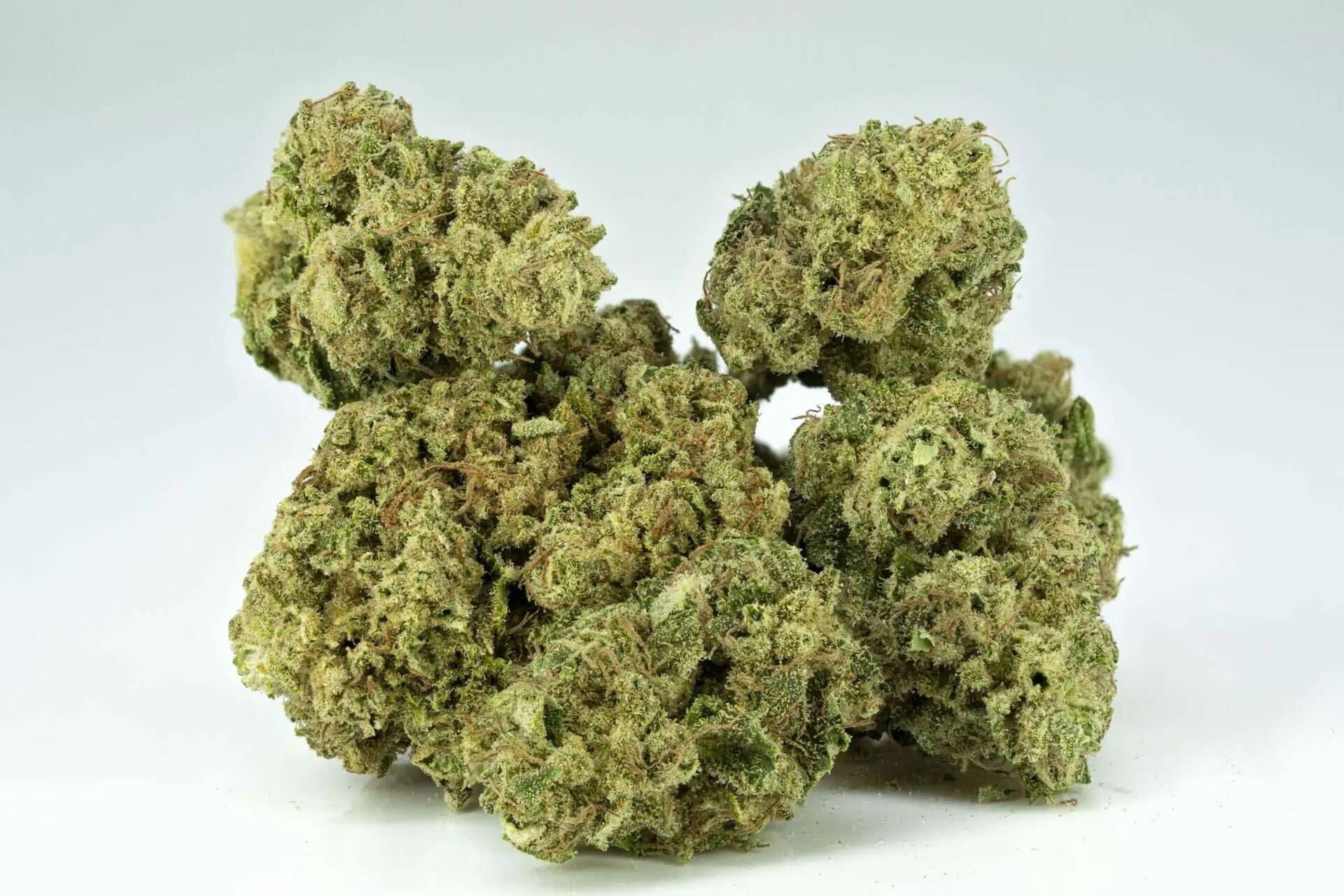
Hybrid refers to a plant that is bred from both Indica and Sativa genetics.
Why are hybrids created?
Hybrids are cultivated to combine characteristics from different plant types.
Are most products hybrids?
Yes, many modern hemp strains are hybrids.
Do hybrid labels vary?
Yes, classifications can differ depending on the grower and genetics.
What products are available as hybrids?
Hybrids are commonly found in flower, vapes, and concentrates.
How should hybrid products be stored?
Store in a cool, dry place in an airtight container.
Disclaimer:
This content is for informational purposes only and should not be interpreted as medical, legal, or regulatory advice. Laws regarding hemp-derived products may vary by jurisdiction and can change without notice. It is the customer’s responsibility to verify that any product is permitted in their area before purchasing. These statements have not been evaluated by the Food and Drug Administration. Products are not intended to diagnose, treat, cure, or prevent any disease.