How Long Does THCa Stay in Your System?

TL;DR: THCa itself is non-psychoactive, but when heated it converts into THC — the compound that most drug tests detect. How long cannabinoids like THCa and THC stay in your system depends on factors like frequency of use, metabolism, body fat, and the type of test (urine, blood, saliva, or…
metal grinder weed,canabis oil and joint on gray background
Written by: Peaceful Pines

TL;DR:
THCa itself is non-psychoactive, but when heated it converts into THC — the compound that most drug tests detect. How long cannabinoids like THCa and THC stay in your system depends on factors like frequency of use, metabolism, body fat, and the type of test (urine, blood, saliva, or hair). While occasional use may leave your system in a few days, frequent use can linger for weeks or more.

How Long Do Cannabinoids Stay in Your System?

Cannabinoids don’t leave the body instantly. Instead, they’re metabolized and stored in fat cells, which means traces can remain even after the effects wear off. For example:

  • Urine tests: Can detect THC for 3–30 days depending on usage.
  • Blood tests: Typically 1–2 days for occasional users, up to a week for heavy use.
  • Saliva tests: Generally detect cannabinoids for 24–72 hours.
  • Hair tests: Can reveal usage going back 90+ days.

Because THCa converts to THC when heated, the detection windows for THCa products can mirror those of THC.

Factors Influencing How Long Cannabinoids Stay in Your System

The length of time cannabinoids remain detectable varies widely between individuals. Factors include:

  • Frequency of use – Daily or heavy use extends detection time.
  • Dosage and potency – Higher concentrations of THCa/THC increase retention.
  • Metabolism – A faster metabolism clears cannabinoids quicker.
  • Body composition – More body fat means cannabinoids have more storage space.
  • Hydration and activity level – Staying active and hydrated may help reduce retention, though only slightly.

How Cannabinoids Are Retained

Unlike alcohol, which is metabolized and excreted relatively quickly, cannabinoids bind to fat cells in the body. Over time, they’re slowly released back into the bloodstream and metabolized by the liver. This is why even after the effects wear off, cannabinoids may still be detectable days or weeks later.

Standard Drug Screening for THC

Most drug tests are designed to detect THC metabolites (THC-COOH) — not THCa directly. But because THCa is often heated (smoked, vaped, or cooked) and converted into THC, regular use of THCa products can trigger a positive test.

  • Urine tests: The most common and cost-effective.
  • Blood tests: Used in accident or roadside screenings.
  • Saliva tests: Increasingly popular for workplace testing.
  • Hair tests: Rare, but can detect long-term use.

Will Other Cannabinoids Show Up on a Drug Test?

<>Most standard drug panels do not screen for CBD, CBG, or other non-psychoactive cannabinoids. However, there are exceptions:

  • Full-spectrum products may contain trace THC.
  • Synthetic cannabinoids may be tested for separately.
  • Cross-contamination in products can cause false positives if they aren’t third-party tested.

This is why high-quality lab-tested hemp products are essential if you’re concerned about screenings.

Minimizing the Risk of a Positive Drug Test

If you’re subject to drug testing, consider these precautions:

  • Choose broad-spectrum or THC-free products if available.
  • Check third-party lab reports to verify cannabinoid content.
  • Avoid THCa and THC products before screenings if you want zero risk.
  • Stay hydrated and active to support natural detox processes.

Now You’re Cannabinoid-Conscious

Understanding how long THCa and other cannabinoids stay in your system helps you make more informed decisions about use — especially if drug testing is a concern. Everyone’s body processes cannabinoids differently, so timelines aren’t exact.

⚠️ Disclaimer:
This article is for educational purposes only. It is not intended as medical, legal, or employment advice. Detection times can vary widely depending on personal factors and testing methods. If you are subject to drug testing, consider avoiding cannabinoid products altogether to minimize risk.

Related Readings:

Can I Travel with THCa, CBD, or CBG Products?
Does THCa Show Up on a Drug Test?

Are CBG products legal in all states?

Explore More

Velvety Cannabis-Infused Red Velvet Cupcakes

Turn dessert into an indulgent experience with these rich, fluffy cannabis-infused red velvet cupcakes! Perfectly moist with just the right touch...
Learn More

Are CBG products legal in all states?

CBG, or cannabigerol, is often called the “mother cannabinoid” because it’s the precursor to other cannabinoids like CBD and THC. It’s non-intoxi...
Learn More

How to Make Cannabutter: Turning Ordinary Butter Into a Potent Delight

Making cannabutter is easier than you think! With a little bit of patience (and some low heat), you can transform your regular ol’ butter i...
Learn More

FAQ

THCa, or tetrahydrocannabinolic acid, is a naturally occurring compound found in raw hemp flower.

At Peaceful Pines Hemp Farm, we produce premium THCa hemp flower known for its rich cannabinoid profile, smooth aroma, and exceptional quality. Our products are low in Delta-9 THC and fully Farm Bill compliant.

Yes! Our THCa flower is 100% federally legal under the 2018 Farm Bill. This legislation allows for the cultivation and sale of hemp products with less than 0.3% Delta-9 THC by dry weight. Since THCa is not Delta-9 THC, our flower remains within legal limits.
We’re proud to offer compliant, lab-tested hemp flower with high THCa content that meets federal regulations. Please note that some states have local restrictions, so we recommend checking your state’s hemp laws. You can also visit our Shipping page to see where we currently ship Peaceful Pines hemp flower.

CBG (cannabigerol) and CBD (cannabidiol) are non-psychoactive cannabinoids that naturally occur in hemp. While they won’t get you high, they’re known for supporting mental clarity, relaxation, and overall body balance.
CBG is often referred to as the “mother cannabinoid” because other cannabinoids are derived from it. CBD, on the other hand, is celebrated for its calming, anti-inflammatory effects. When combined with THCa, these cannabinoids work synergistically in what’s known as the “entourage effect,” enhancing both the therapeutic benefits and overall experience of hemp flower.
Our Peaceful Pines strains are thoughtfully bred to deliver optimal levels of THCa, CBG, and CBD—providing a well-rounded, full-spectrum product designed to support your wellness goals.

Terpenes are aromatic compounds found in hemp and many other plants. They’re responsible for the unique scent and flavor profiles of each hemp flower strain and also contribute to the overall effects.
At Peaceful Pines Hemp Farm, our THCa flower is packed with naturally occurring terpenes that enhance not only the aroma and taste but also the therapeutic experience. Here are some of the most common terpenes in our strains:

CARYOPHYLLENE  – Pepper, Woody, Spicy

MYRCENE – Earthy, Herbal

LIMONENE – Citrus, Lemon, Orange

TERPINENE – Pine, Spicy

LINALOOL – Lavender, Floral, Spicy

BISABOLOL – Fruity, Nutty, Earthy

HUMULENE -Earthy, hoppy

PINENE – Pine, Woody

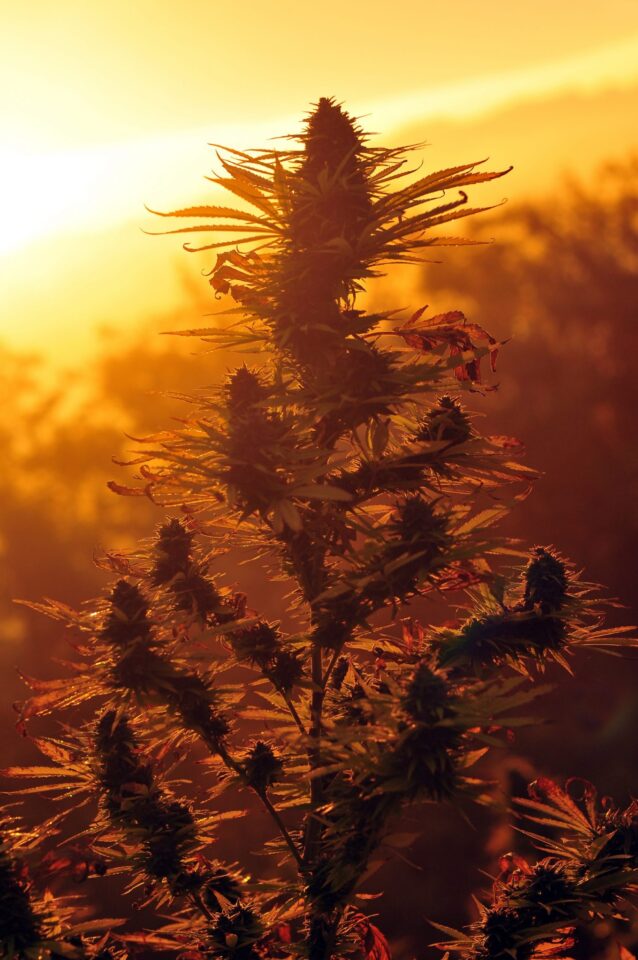
Cannabis plant silhouette against sunset background.
Peaceful Pines Hemp Farm logo featuring pine trees silhouetted against a sunset gradient background
Are you over the age of 21?
Have you reached the level 21 milestone in the game of life yet?
By sticking around, you're giving a thumbs up to our cookies (they’re digital, not the eatable kind!) and saying "yes" to our Privacy Policy & Terms of Use. Thanks for being cool with it!
Stylized pine tree silhouette in vector format